
 Fineray Lanka Tours
Pearl of the Indian Ocean
- Home
- Tour Packages ▾ 🍃5 Days — Kandy, Nuwara Eliya & Bentota 🏙️6 Days — Kandy, Nuwara Eliya, Bentota & Colombo 🏛️7 Days — Heritage, Hill Country & Beach 🪷8 Days — Sigiriya, Kandy, Ella, Bentota & Colombo ✨9 Days — Premium Sigiriya, Kandy, Ella & Bentota 🚁10 Days — Sigiriya, Ella, Haputale & Bentota 🐆11 Days — Sigiriya, Kandy, Ella, Yala & Bentota 👑14 Days — Ancient Kingdoms, Highlands, Yala & Galle 🗺️View All Tour Packages
- Destinations
- Gallery
- About
- Contact
Kandy Travel Guide: Temples, Tea & the Cultural Capital
Last updated: September 2026.
Kandy is Sri Lanka’s last royal capital and the country’s most important Buddhist pilgrimage site, set around a lake ringed by hills and tea estates. It’s also the hinge point of almost every Sri Lanka itinerary, the stop where the coast gives way to the hill country. Here’s what to see, how long to stay, and how to get there.
Quick summary
- How long to stay: 1-2 days covers the main sights comfortably.
- Top sight: the Temple of the Sacred Tooth Relic, Sri Lanka’s most important Buddhist shrine.
- Best time to visit: December to March for the driest weather.
- Getting there: about 3 hours from Colombo by car or train.
- Dress modestly for temple visits: shoulders and knees covered, shoes off at the entrance.
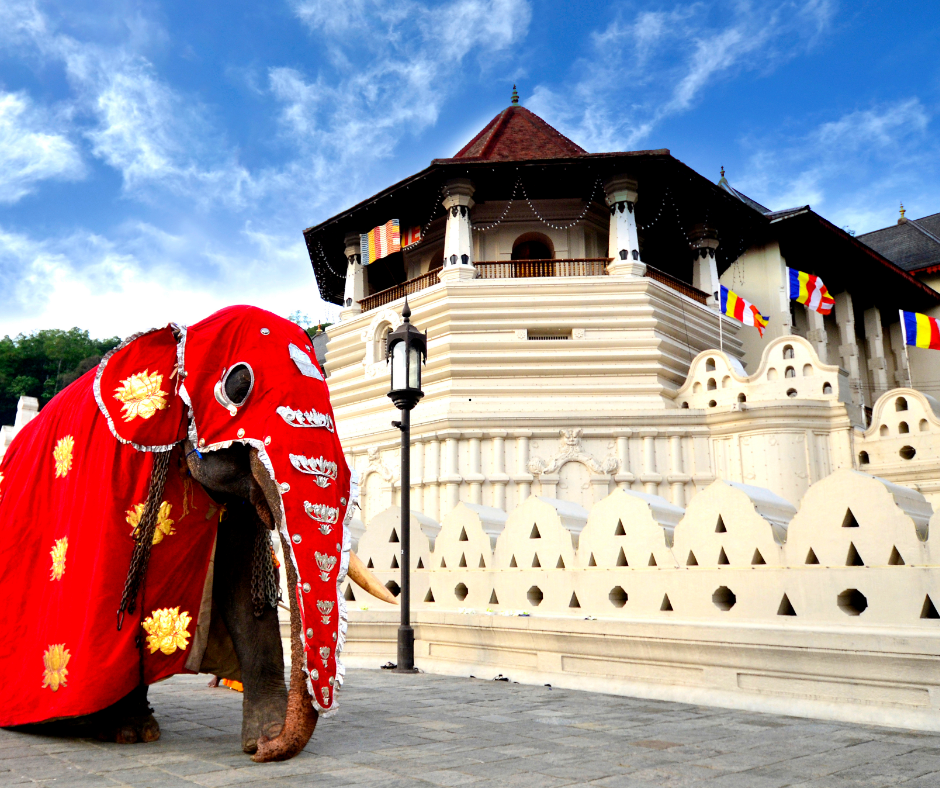
Table of contents
- Why Kandy matters
- The Esala Perahera festival
- Temple of the Sacred Tooth Relic
- Getting around Kandy
- Royal Botanical Gardens, Peradeniya
- Kandy Lake and the city center
- Kandyan cultural dance show
- Tea estates near Kandy
- Udawattakele Forest Reserve
- Shopping: gems and crafts
- Food and restaurants
- Day trips from Kandy
- How many days you need
- Best time to visit
- Getting to Kandy
- Where to stay
- What to pack
- Common mistakes
- Frequently asked questions
Why Kandy matters
Kandy was the last independent kingdom on the island, holding out against Portuguese, Dutch, and finally British colonization until 1815. That history left it as the custodian of Sri Lanka’s most sacred Buddhist relic and its most distinctly Sinhalese cultural traditions, from the dance forms performed nightly to the annual Esala Perahera festival.
It also sits at the natural hinge between the coastal lowlands and the cool hill country, which is why almost every multi-day Sri Lanka itinerary passes through it rather than around it.
Possession of the Sacred Tooth Relic was historically tied to the right to rule the island, which is part of why the temple sits at the physical and symbolic center of the old royal complex rather than as a standalone monument elsewhere in the city.
The Esala Perahera festival
Kandy’s biggest event is the Esala Perahera, a ten-night festival usually held in late July or early August, featuring decorated elephants, fire dancers, drummers, and whip-crackers parading through the city in honor of the Sacred Tooth Relic. It’s one of Asia’s most spectacular processions and draws crowds from across the country and abroad.
If your dates align with it, accommodation books out months ahead and prices rise accordingly; if they don’t, it’s worth knowing the festival exists so a random late-July visit doesn’t catch you off guard with fully booked hotels.
Temple of the Sacred Tooth Relic
The temple houses a tooth relic believed to belong to the Buddha, enshrined within a gold casket that’s only briefly revealed during rare ceremonies. Most visitors won’t see the relic itself, but the temple complex, with its ivory-inlaid doors, drumming rituals at set times, and constant flow of pilgrims, is the reason to visit regardless.
The foreign entrance fee runs around $10-13. Dress modestly (shoulders and knees covered) and remove shoes before entering; sarongs are available to rent at the entrance if needed. Puja (offering) ceremonies happen three times daily, and the drumming that precedes each one is worth timing a visit around. Photography is generally permitted in the outer courtyards but restricted in the inner shrine room; look for posted signs or ask a temple attendant if it’s unclear in a specific area.
Getting around Kandy
The city center is compact enough to walk between the temple, the lake, and most restaurants and shops. Tuk-tuks cover longer hops, like the botanical gardens or a hillside hotel, cheaply and are the default option for anything beyond a 15-20 minute walk. Agree on a fare before getting in, since meters aren’t standard practice.
Royal Botanical Gardens, Peradeniya
A short drive outside town, the Royal Botanical Gardens hold one of Asia’s largest orchid collections alongside a giant Javan fig tree with a canopy wide enough to shelter hundreds of people underneath it. Most visits run 1-2 hours; it’s a common half-day pairing with the temple on the same day.
Kandy Lake and the city center
The artificial lake at the center of town, built in 1807 by the last king, makes for an easy evening walk with views back toward the temple complex. The surrounding streets hold most of Kandy’s restaurants, gem shops, and the city’s small but walkable commercial center, all within 10-15 minutes on foot from the lake.
Kandyan cultural dance show
An evening Kandyan dance performance runs nightly at a handful of venues in town, combining traditional drumming, masked demon dances, and a closing fire-walking act. Shows run about an hour and are the single most common evening activity for visitors staying in Kandy, easy to fit in after a full day of sightseeing.
Tea estates near Kandy
Kandy sits at the edge of tea country rather than inside it; the dense estates and factory tours that most visitors picture are further up in Nuwara Eliya and Ella. A handful of smaller estates closer to Kandy offer shorter tours and tastings if you’re not continuing into the deeper hill country, but treat Kandy as an introduction to tea rather than the main event.
Udawattakele Forest Reserve
A patch of protected rainforest right behind the temple complex, once a royal reserve and now open to walkers on marked trails. It’s a short, easy add-on if you want a break from temples and streets: expect monkeys, birdlife, and a noticeably cooler, quieter atmosphere than the town center just a few minutes away.
An hour is enough for the main loop; a small entrance fee applies, and a guide isn’t required but can point out wildlife you’d otherwise walk past.
Shopping in Kandy: gems and crafts
Sri Lanka is a major source of sapphires and other precious stones, and Kandy has a cluster of established gem dealers in the city center. Reputable shops provide certification for anything you buy; treat street-side “gem deals” with the same skepticism you’d apply anywhere else in the world.
Batik textiles, wood carvings, and brassware are the other common crafts, sold both in fixed-price shops and at more negotiable market stalls near the lake.
Food and restaurants in Kandy
Kandy’s food scene centers on Sri Lankan rice-and-curry, widely available at local restaurants for a few dollars a plate, alongside a growing number of cafes serving Western breakfast and coffee for travelers passing through. A few restaurants overlook the lake directly, worth booking for dinner if you want the view alongside the meal.
Day trips from Kandy
The Pinnawala Elephant Orphanage sits roughly halfway between Colombo and Kandy, making it a natural stop on the way in or out rather than a dedicated round trip from Kandy itself. The Dambulla cave temple and Sigiriya rock fortress are both reachable as a long day trip north of Kandy, though most itineraries handle them as a separate overnight stop in the Cultural Triangle rather than rushing there and back in a single day.
How many days you need
One full day covers the temple, the botanical gardens, and an evening dance show comfortably. A second day allows a slower pace, room for a day trip, or simply more time at the lake and around town without feeling rushed. See the full guide to trip length for how Kandy fits into a wider itinerary.
Best time to visit
December to March is driest, matching peak season for the rest of the island. April and September-October are shoulder months with lighter crowds. May-August brings the southwest monsoon, with rain usually arriving in short afternoon bursts rather than all-day downpours. See the full month-by-month weather guide for how this lines up with the rest of a trip.
Getting to Kandy
Kandy sits about 115 km from Colombo, roughly 3 hours by private car via the Central Expressway and A1, or 2.5-4 hours by train depending on the service. See the full Colombo to Kandy route breakdown for a detailed comparison of car, train, and bus. Kandy is also the starting point for the Kandy to Ella train, one of the most scenic rail journeys in the world, if your route continues into the hill country from here.
Where to stay
Hotels overlooking the lake put the temple and the evening walk within easy reach on foot. Hillside properties slightly outside the center trade that walkability for quieter surroundings and better views back over the city, usually a short tuk-tuk ride from the main sights. A comfortable mid-range room runs $40-80 a night; heritage properties and hillside boutique hotels with a view push past $100-150.
What to pack
Modest clothing that covers shoulders and knees is essential for the temple visit; a scarf or sarong works if your outfit falls short. Kandy sits at a moderate elevation, so evenings run cooler than the coast, worth a light layer for. See the complete packing list by season for the full rundown.
Common mistakes
Treating Kandy as just a stopover between Colombo and the hill country. A single night skips the temple’s evening puja ceremony and the dance show, both worth building the schedule around.
Showing up at the temple without checking the puja ceremony times. The drumming and ritual that precede each one are a highlight most visitors miss by arriving at the wrong hour.
Underestimating the walk between the lake, the temple, and the town center in the heat. It’s manageable, but pace it rather than trying to cover everything in one go.
Frequently asked questions
How many days do you need in Kandy?
One full day covers the main sights. A second day allows a slower pace or a day trip.
What is the entrance fee for the Temple of the Sacred Tooth Relic?
Around $10-13 for foreign visitors.
What should I wear to visit the Temple of the Sacred Tooth Relic?
Modest clothing covering shoulders and knees, with shoes removed before entering. Sarongs are available to rent at the entrance if needed.
How do I get from Colombo to Kandy?
About 3 hours by private car or 2.5-4 hours by train, depending on the service. See the full route breakdown.
Is Kandy worth visiting if I’m short on time?
Yes. Even a single overnight covers the temple, the lake, and an evening dance show, and it’s on the route to the hill country regardless.
Can I see the actual tooth relic?
Rarely. It’s enshrined in a gold casket and only briefly revealed during rare ceremonies; most visitors experience the temple complex and rituals rather than the relic itself.
What’s the best time to visit the temple?
Around one of the three daily puja ceremonies, when drumming and ritual precede the offering. Check the day’s schedule when you arrive.
Does Kandy have tea estates like Nuwara Eliya or Ella?
Only smaller ones nearby. The dense tea country most visitors picture is further up in Nuwara Eliya and Ella.
When is the Esala Perahera festival?
Usually late July or early August. Book accommodation well ahead if your dates fall within it.
Is it safe to buy gems in Kandy?
From established, certified dealers, yes. Treat informal street-side gem offers with the same caution you’d use anywhere else.
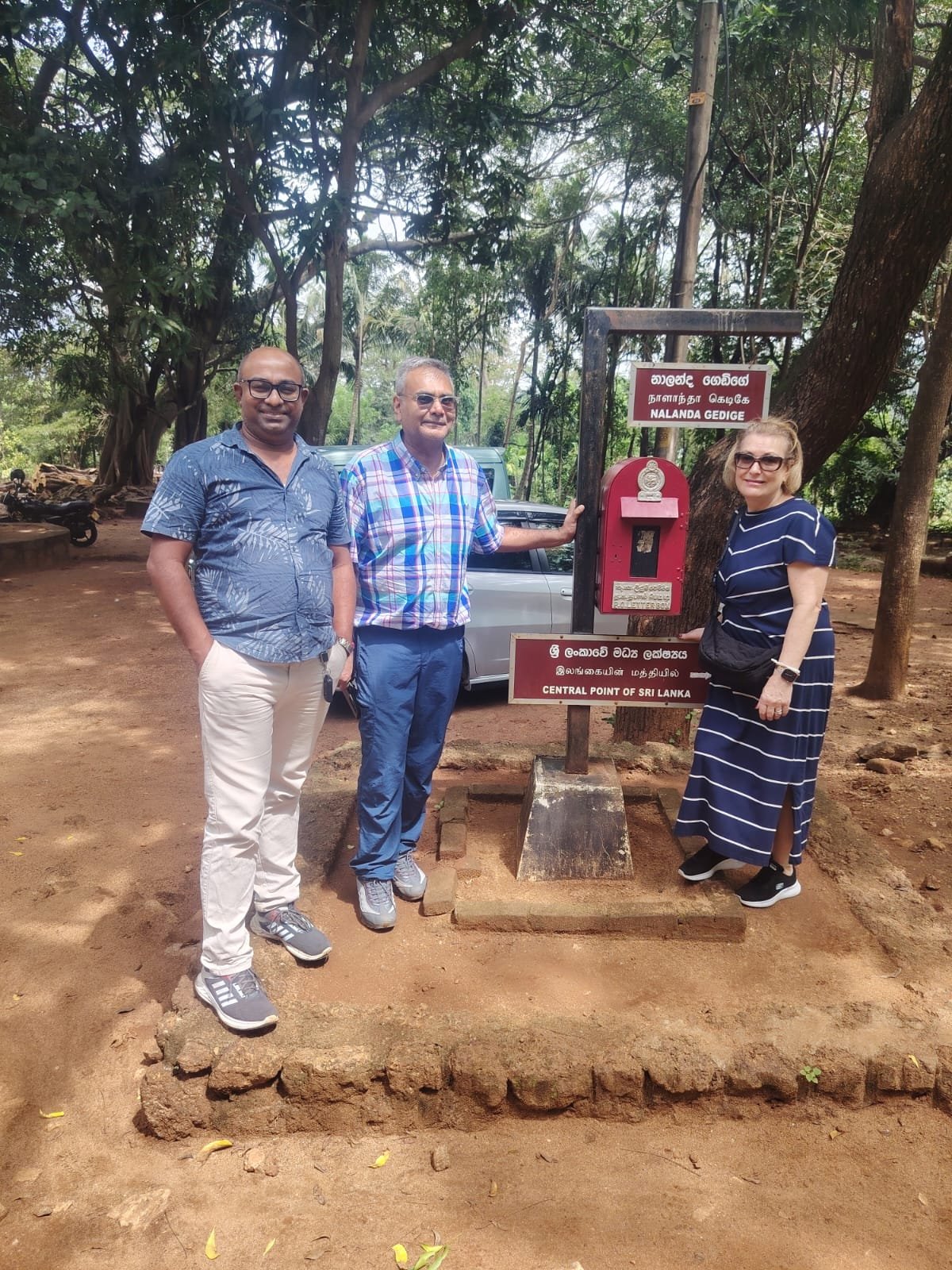
Kandy is included on nearly every Fineray Lanka Tours itinerary, from the 5-day Kandy, Nuwara Eliya and Bentota tour up to the full 14-day ancient kingdoms and highlands loop, each with a private driver-guide for the temple, the gardens, and everything beyond. See the complete Sri Lanka travel guide for the rest of the planning picture, or browse all tour packages that include Kandy.
