
 Fineray Lanka Tours
Pearl of the Indian Ocean
- Home
- Tour Packages ▾ 🍃5 Days — Kandy, Nuwara Eliya & Bentota 🏙️6 Days — Kandy, Nuwara Eliya, Bentota & Colombo 🏛️7 Days — Heritage, Hill Country & Beach 🪷8 Days — Sigiriya, Kandy, Ella, Bentota & Colombo ✨9 Days — Premium Sigiriya, Kandy, Ella & Bentota 🚁10 Days — Sigiriya, Ella, Haputale & Bentota 🐆11 Days — Sigiriya, Kandy, Ella, Yala & Bentota 👑14 Days — Ancient Kingdoms, Highlands, Yala & Galle 🗺️View All Tour Packages
- Destinations
- Gallery
- About
- Contact
Sri Lanka Packing List: What to Bring for Every Season
Last updated: September 2026.
Pack light, layer for temperature swings, and bring one modest outfit for temples. That covers most of it. The details below cover the parts people usually get wrong: what to bring for the cool hill country, what to leave at home, and how the two monsoon seasons actually affect your bag.
Quick summary
- Layer for two climates: hot, humid lowlands and a cool hill country that drops to 10-15°C at night.
- Pack one modest outfit (shoulders and knees covered) for temple visits.
- A compact rain jacket covers both monsoon seasons, whichever coast you’re on.
- Skip the hair dryer and full suitcase of outfits; hotels supply the first and laundry handles the second.
- Camouflage-patterned clothing is restricted for civilians in Sri Lanka; leave it at home.
Table of contents
- Why Sri Lanka packing is trickier than it looks
- The core list
- Packing for the lowlands and beaches
- Packing for hill country
- What to wear at temples
- Packing for a safari day
- Documents and money
- Health and toiletries
- Luggage and bags
- Packing for families with kids
- What to leave at home
- Sample packing list by trip length
- Frequently asked questions
Why Sri Lanka packing is trickier than it looks
Sri Lanka is small, but its climate isn’t uniform. The lowlands and beaches stay hot and humid year-round, around 27-32°C. Hill country towns like Nuwara Eliya sit at altitude and drop to 15°C or lower at night. Add two separate monsoon seasons hitting opposite coasts at different times of year, and a single “what to pack” list stops being useful. What matters is which regions you’re visiting and when.
If you haven’t nailed down when to go yet, our month-by-month guide to Sri Lanka’s weather pairs well with this list.
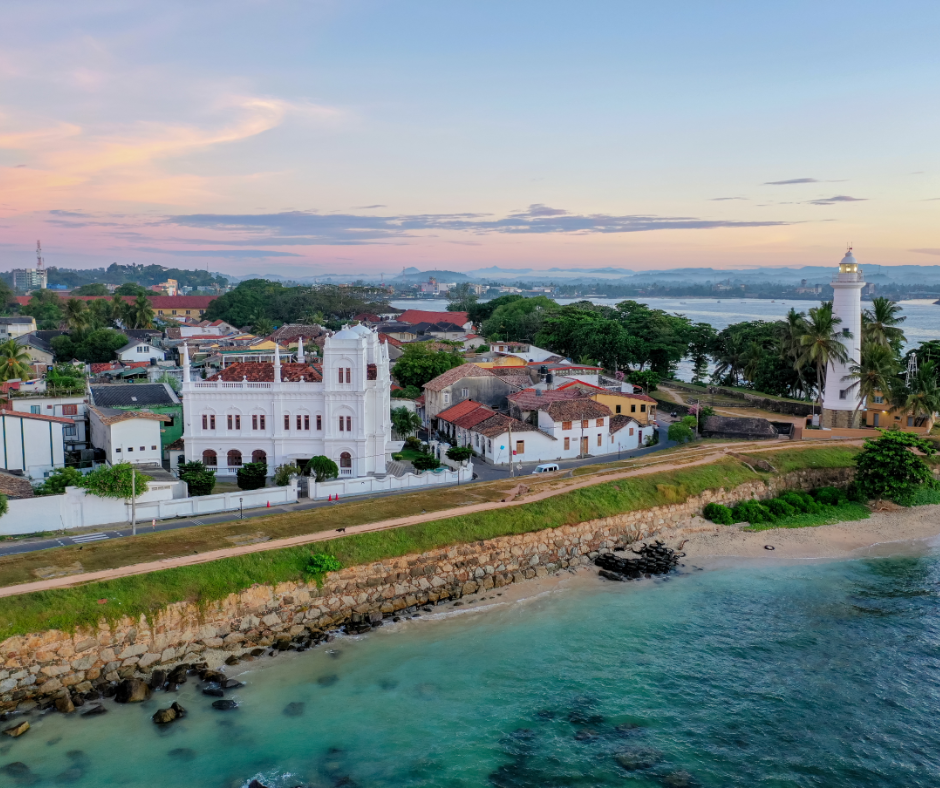
The core list: what goes in every bag, regardless of season
- Lightweight, breathable clothing (cotton or linen over synthetic blends)
- A refillable water bottle
- Reef-safe sunscreen, SPF 30 or higher
- Sunglasses and a wide-brim hat or cap
- A compact rain jacket or poncho, even in the “dry” season
- Insect repellent with DEET or picaridin
- A universal power adapter (Sri Lanka uses type D and G sockets)
- Basic diarrhea and rehydration medication
- A photocopy or photo of your passport and visa/ETA approval
Packing for the lowlands and beaches
Think swimwear, not layers. Days on the south and west coasts (Galle, Mirissa, Bentota) run hot and humid almost every day of the year.
- Swimwear and a cover-up or sarong for walking off the beach
- Light cotton shirts and shorts or dresses
- Sandals that can get wet, plus one pair of closed shoes for walking around town
- A dry bag for phones and cameras near the water
The east coast (Arugam Bay, Trincomalee) runs on the opposite monsoon cycle from the south and west, so its best weather window falls in different months. Check regional timing before assuming “beach season” applies island-wide.
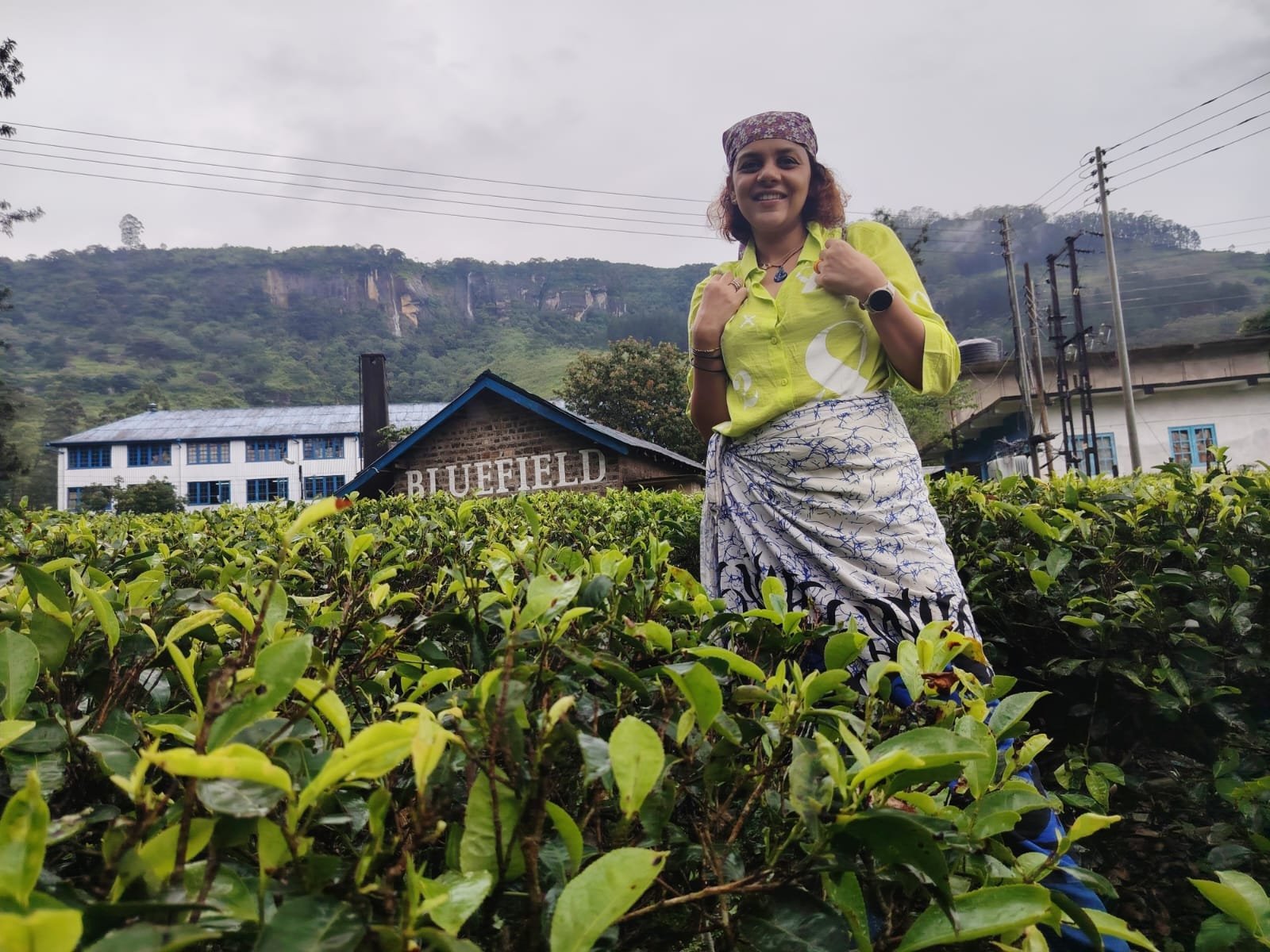
Packing for hill country: Kandy, Nuwara Eliya, and Ella
This is the part visitors most often get wrong. They pack for a tropical island and freeze in Nuwara Eliya at night.
- A fleece or light sweater for evenings (temperatures can dip to 10-15°C)
- A light long-sleeve layer for the Kandy-to-Ella train, which gets cool and breezy
- Closed walking shoes with grip, for tea plantation trails and Little Adam’s Peak
- A light scarf, useful for both warmth and temple visits
You don’t need heavy winter gear. One warm layer packed on top of your bag, ready to pull out on the train or after sunset, is enough.

What to wear at temples and religious sites
Sri Lanka’s temples enforce dress codes strictly, and this catches first-time visitors off guard more than any weather issue.
- Shoulders and knees covered for both men and women (no tank tops, no shorts above the knee)
- A scarf or sarong to cover up quickly if your outfit falls short
- Slip-on shoes or sandals, since footwear comes off before entering
- A pair of socks, useful at sites like Sigiriya or the Temple of the Tooth where stone or metal walkways get hot underfoot
Hats and sunglasses generally come off inside temple grounds as a sign of respect, so budget a few extra minutes at each stop.
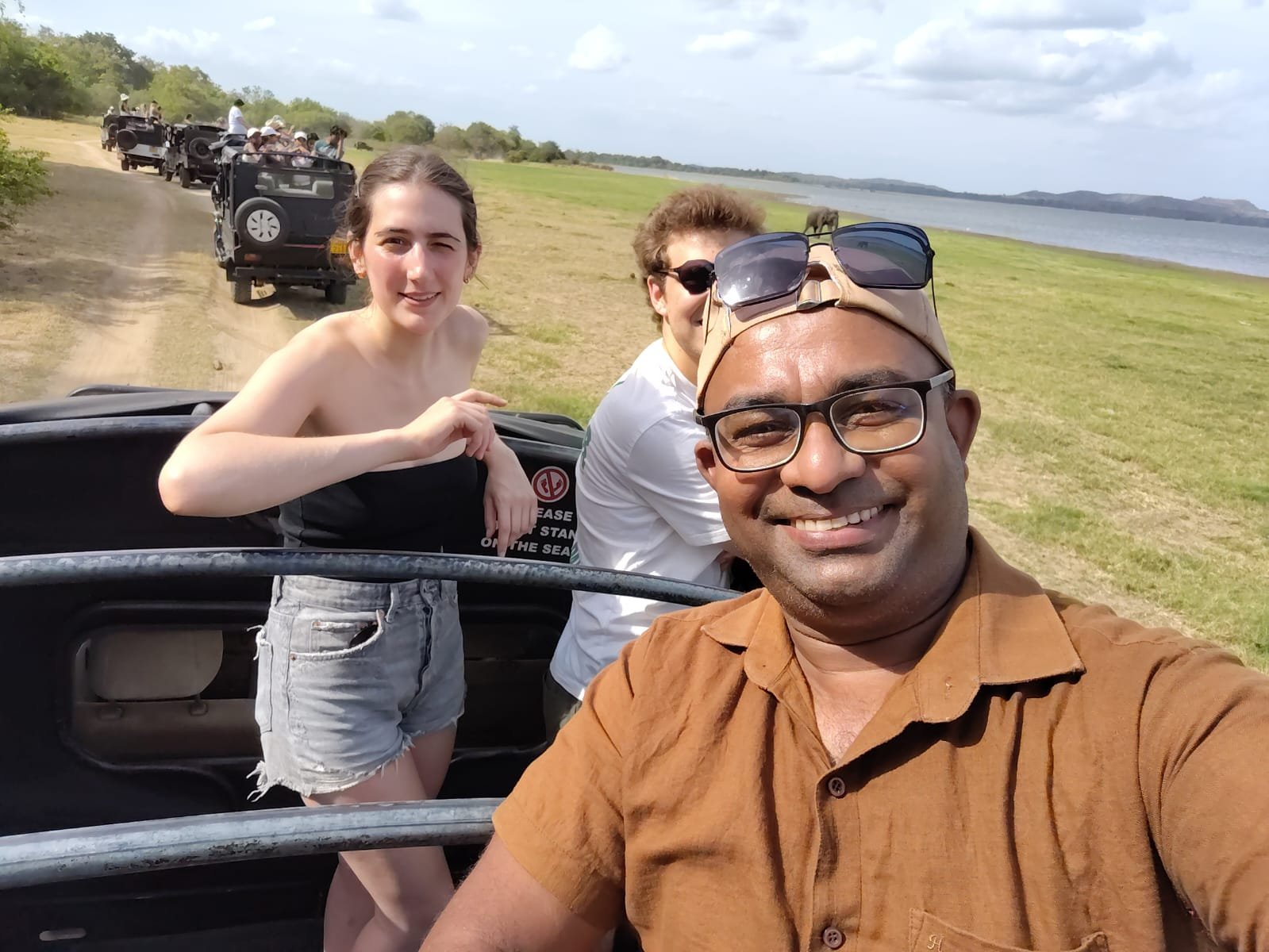
Packing for a safari day
Yala and Udawalawe safaris start before sunrise, when it’s cool, then heat up fast once the sun’s out.
- Neutral or muted-colored clothing (avoid bright colors and white)
- A light jacket for the pre-dawn jeep ride
- A hat and sunglasses for the second half of the drive
- Binoculars, if you have them; most jeep operators don’t supply them
- A dust-proof bag or cover for cameras, since safari roads are unpaved
Documents and money
Beyond your passport, a few extras save real hassle mid-trip.
- A printed and digital copy of your ETA approval, since some checkpoints and hotels ask to see it.
- Travel insurance details, printed or saved offline; safaris, hikes, and water activities are where claims actually happen.
- A mix of cash and cards. Rural areas and tuk-tuks are cash-only; hotels and city restaurants take cards.
- A local SIM or eSIM, bought at the airport on arrival, since data is cheap and coverage is solid outside remote hill country roads.
Health and toiletries
Pharmacies in Colombo and larger towns are well stocked, but smaller towns are not.
- Any prescription medication in its original packaging, plus a spare few days’ supply in case of delays.
- Motion sickness tablets if you’re prone to it; hill country roads switch back constantly.
- Hand sanitizer and a small first-aid kit (plasters, antiseptic, blister pads for temple walking).
- Contact lens solution if you wear lenses, since specific brands can be hard to find outside Colombo.
Luggage and bags
A soft-sided duffel or a bag with wheels that still has carry handles works better than a rigid hard-shell case once you’re loading and unloading a car daily.
- One main bag per person, sized to what a private driver’s trunk can hold alongside everyone else’s luggage.
- A daypack for daily excursions, temple visits, and safari drives, so the main bag stays packed in the vehicle.
- Packing cubes to separate hill-country layers from beach clothes, since you’ll be swapping between climates every few days.
Packing for families with kids
The core list applies, with a few additions worth planning ahead for.
- Kid-specific insect repellent and sunscreen, since adult-strength DEET concentrations aren’t recommended for young children.
- Snacks for long drives; rural stretches between towns don’t always have convenient stops.
- A car seat if traveling with a private driver, since not all vehicles carry one by default.
- Modest swimwear for hotel pools that double as public spaces in smaller towns.
What to leave at home
- Heavy jeans or thick cotton, which take too long to dry in the humidity
- A hair dryer or full-size toiletries; most hotels supply both, and voltage differs from what you might expect at home
- An entire suitcase of “just in case” outfits; laundry is cheap and widely available
- Camouflage-patterned clothing, which is restricted for civilians to wear in Sri Lanka.
- Valuables you don’t need. Leave expensive jewelry at home and keep cameras in a nondescript bag rather than a branded camera case.
Sample packing list by trip length
How much to bring scales with how many regions you’re covering, not just how many days. See the full guide to trip length if you haven’t settled on an itinerary yet.
- 5-7 days, one region pairing: a single carry-on-sized bag covers it, since you’re likely only crossing one climate zone (for example hill country plus beach).
- 10 days, three regions: pack for both climates from day one. A 7-day itinerary extended to 10 days usually adds the hill country cold-weather layer to a beach-only pack.
- 14 days, full loop plus safari: add the safari-specific neutral-colored layer and budget for at least one laundry stop, since packing for two weeks in one bag isn’t practical otherwise.
Frequently asked questions
Do I need to pack differently for the two monsoon seasons?
Yes. The southwest monsoon (roughly May to September) affects the south and west coasts and hill country. The northeast monsoon (roughly November to February) hits the east coast and north. A light rain jacket covers both, but check which region’s monsoon window overlaps with your dates.
Is it safe to drink tap water?
Stick to bottled or filtered water. Most hotels and guesthouses provide drinking water in rooms.
What should women pack specifically?
The same core list applies, with a scarf or sarong worth keeping accessible at all times for temple visits and modest dress in rural towns, beyond just beach resort areas.
Do I need hiking boots for Sri Lanka?
Not full hiking boots. Closed walking shoes with grip cover tea plantation trails, Little Adam’s Peak, and Sigiriya’s steep steps; save full boots for a dedicated multi-day trek.
How many outfits should I pack for a 10-day trip?
4-5 outfits is enough if you plan on one laundry stop. Sri Lanka’s heat and humidity mean clothes get worn once between washes, not several times.
Can I buy anything I forget once I arrive?
Yes, for most items. Colombo and larger towns have pharmacies, supermarkets, and clothing shops. Specific electronics, contact lens brands, and children’s products are the exceptions worth packing rather than sourcing locally.
Not sure which regions fit your trip yet? Take a look at our Sri Lanka tour packages, each built around a specific mix of beach, hill country, and cultural sites, so you’ll know exactly what to pack before you go. Pair this list with the complete Sri Lanka travel guide for the rest of the planning picture.
