
 Fineray Lanka Tours
Pearl of the Indian Ocean
- Home
- Tour Packages ▾ 🍃5 Days — Kandy, Nuwara Eliya & Bentota 🏙️6 Days — Kandy, Nuwara Eliya, Bentota & Colombo 🏛️7 Days — Heritage, Hill Country & Beach 🪷8 Days — Sigiriya, Kandy, Ella, Bentota & Colombo ✨9 Days — Premium Sigiriya, Kandy, Ella & Bentota 🚁10 Days — Sigiriya, Ella, Haputale & Bentota 🐆11 Days — Sigiriya, Kandy, Ella, Yala & Bentota 👑14 Days — Ancient Kingdoms, Highlands, Yala & Galle 🗺️View All Tour Packages
- Destinations
- Gallery
- About
- Contact
Pinnawala Elephant Orphanage: What to Know Before You Visit
Last updated: September 2026.
Pinnawala Elephant Orphanage holds one of the largest groups of captive elephants in the world, close to 80 animals living together on one property. It sits just off the Colombo-Kandy road near Kegalle, about 90 km from Colombo and 40 km from Kandy, so most visitors stop here on the way to Kandy. This guide covers the exact feeding and bathing schedule, ticket prices for SAARC and other foreign visitors, and how to fit the visit into a wider itinerary.
Quick summary
- How long to stay: 1.5 to 2 hours covers a feeding session and the river bathing.
- Top moment: the river bathing session, when the herd walks to the Maha Oya together.
- Best time to arrive: by 9:15 AM for the first bottle feeding, then walk down to the river for the 10 AM bath.
- Tickets: about LKR 1,400 for SAARC adults, including Indians, and LKR 2,800 for other foreign adults.
- Getting there: about 1.5 to 2 hours from Colombo and 1 to 1.5 hours from Kandy by car.
- By train: Rambukkana station, a short tuk-tuk ride from the entrance.
- Bottle-feeding sessions for baby elephants run at set times and cost extra.

Table of contents
- Why Pinnawala exists
- How the orphanage runs
- Feeding times
- The river bathing session
- Bottle-feeding baby elephants
- Tickets and opening hours
- How long you need
- Best time to visit
- Getting there by car
- Getting there by train and bus
- Pairing with Kandy
- Pinnawala zoo and other nearby stops
- Where to stay
- What to pack
- Photography tips
- Common mistakes
- A note on elephant welfare
- Alternatives to Pinnawala
- Frequently asked questions
Why Pinnawala exists
The Sri Lankan government opened Pinnawala in 1975 to care for orphaned and injured wild elephants. Many of the early arrivals were calves found separated from their herds after habitat loss, road accidents, or conflict with farmers protecting crops. The original site held 5 elephants.
The orphanage has since grown into a breeding herd too, and most of the elephants living there today were born on site rather than rescued as calves. The herd now numbers around 80 animals, spanning calves, adults, and elderly bulls and cows across several generations. That makes Pinnawala one of the largest groups of captive elephants living together anywhere in the world. The Department of Wildlife Conservation founded it, and the Department of National Zoological Gardens has run it since 1978. It’s a state facility, and it also works as a research center studying elephant reproduction and calf care.
How the orphanage runs
Staff and veterinarians check the herd daily. A team of mahouts, elephant handlers assigned to specific animals, manages movement between the feeding grounds, the river, and the night enclosures. Each elephant has a mahout who knows its habits and health history over years of working together.
The property has a small hospital area for sick or injured elephants, along with separate paddocks where younger calves stay closer to keepers. Most visitors see the herd during the 2 daily group activities: feeding and river bathing, since the rest of the day the elephants spend resting or grazing away from the main visitor paths.
Feeding times
The orphanage runs to the same daily schedule most days. These are the times published by most operators and guides that visit regularly:
| Time | What happens |
|---|---|
| 8:30 AM | Gates open |
| 9:15 AM | Bottle feeding for calves |
| 10 AM to 12 PM | Herd walks to the Maha Oya for the morning bath |
| 1:15 PM | Bottle feeding for calves |
| 2 PM to 4 PM | Afternoon bath in the river |
| 5 PM | Last bottle feeding |
| 5:30 PM | Ticket counter closes |
Staff shift the schedule on some days for veterinary checks or weather, so confirm the times at the ticket counter when you arrive. Between feeds, the herd grazes on fruit, grass, and palm fronds. An adult elephant eats an estimated 150 to 200 kg of vegetation daily, including coconut fronds, jackfruit, and cut grass brought in from surrounding farms. Watching the feeding gives a closer, slower look at the herd than the bathing session, since the elephants stay in one place while eating rather than moving around.
The river bathing session
Twice a day, from 10 AM to 12 PM and from 2 PM to 4 PM, the whole herd walks from the orphanage grounds down to the Maha Oya river to bathe. The river sits across the main road from the orphanage, a 5-minute walk past the souvenir shops. The walk itself draws a crowd, since dozens of elephants moving together down a public road isn’t something most visitors have seen before.
Once in the water, the elephants roll, spray themselves, and play for most of the 2-hour window while mahouts watch from the banks. Restaurants and viewpoints line both sides of the river. This is generally the best photo opportunity of the visit, since the animals stay active in open water rather than standing still in an enclosure.
Bottle-feeding baby elephants
Younger calves are bottle-fed by staff at set times. Select sessions let visitors feed a baby elephant themselves for an extra fee, paid separately from the main entrance ticket. Spots are limited to a handful of visitors per session, so ask at the entrance as soon as you arrive rather than waiting until the session is about to start.
Tickets and opening hours
The orphanage opens daily, 8:30 AM to 5:30 PM, including weekends and public holidays. Ticket prices depend on your nationality, and visitors from SAARC countries, including India, pay about half the standard foreign rate.
| Visitor | Adult | Child (about 3 to 12) |
|---|---|---|
| SAARC nationals (India, Pakistan, Bangladesh, Nepal, Maldives, Bhutan, Afghanistan) | About LKR 1,400 (roughly ₹440) | About LKR 700 (roughly ₹220) |
| Other foreign visitors | About LKR 2,800 (roughly $9) | About LKR 1,250 (roughly $4) |
| Sri Lankan residents | Local rate, well under LKR 200 | Local rate |
Figures are the most commonly reported 2026 rates. Different sources quote slightly different SAARC prices, and the rates change without much notice, so treat these as a guide and confirm at the counter. Rupee and dollar conversions are approximate.
To get the SAARC rate, show your passport at the ticket window. Children under 3 enter free. Bottle-feeding and the Pinnawala zoo are billed separately from the orphanage ticket, and a combined orphanage and zoo ticket is sold at the same counter.
Buy tickets only at the official counter and keep the receipt. Mahouts sometimes offer photos next to an elephant and then ask for a tip, so agree on any payment before you pose.
How long you need
1.5 to 2 hours covers a feeding session and the river bathing, which is usually enough to see the highlights without rushing. Visitors who want to catch both a morning and afternoon session, or add bottle-feeding, should plan for closer to half a day.
Best time to visit
Time your visit around a feeding or bathing session instead of showing up at a random hour, since the elephants spend much of the rest of the day resting out of view. Weekday mornings tend to be quieter than weekend afternoons, when local visitor numbers rise. December to March brings the driest weather island-wide, though Pinnawala sits close enough to the wet zone that light rain in any month is possible. See the full month-by-month weather guide for how this lines up with the rest of a trip.
Getting there by car
Pinnawala sits about 90 km from Colombo, roughly 1.5 to 2 hours by private car along the Colombo-Kandy road. Most visitors stop here on the way to or from Kandy rather than as a separate day trip from Colombo.
Getting there by train and bus
The nearest train station is Rambukkana, on the main line between Colombo and Kandy, about 3 km from the orphanage entrance. A tuk-tuk from the station takes 10 to 15 minutes. Public buses run along the Colombo-Kandy road and stop near the site, though a private car or tour is far more direct for visitors on a tighter schedule.
Pairing with Kandy
Kandy is about 40 km from Pinnawala, a 1 to 1.5 hour drive depending on traffic through Kegalle and the Kadugannawa pass. The orphanage sits a short drive off the main road, reached from Karandupona junction near Kegalle, so a stop adds only a little driving to a Colombo-to-Kandy transfer. From Kandy, it also works as a half-day trip. See the Kandy travel guide for what to see once you arrive, including the Temple of the Sacred Tooth Relic and the surrounding hill country.
Pinnawala zoo and other nearby stops
Pinnawala Open Air Zoo. Sri Lanka’s newer national zoo sits about 1 km from the orphanage and uses the natural landscape instead of small cages. It has a Sri Lankan zone with native and endemic species, plus a world zone. It opens from about 8:30 AM, and a combined ticket with the orphanage is sold at the orphanage counter. Allow 1.5 to 2 hours if you add it.
Elephant dung paper workshops. Several small workshops on the road between the orphanage and the river turn elephant dung into paper, notebooks, and cards. Most offer a free 10-minute demonstration of the process and a shop at the end. It fits neatly into the gap between the 9:15 AM feeding and the 10 AM bath.
Spice gardens. A few spice gardens along the Kandy road near Kegalle offer short tours of cinnamon, cardamom, and pepper plants. They’re free to enter and make money from the shop, so expect a sales pitch at the end.
Where to stay
Most visitors don’t stay overnight in Pinnawala itself, treating it as a stop between Colombo and Kandy. A handful of guesthouses near the orphanage run $20-40 a night for travelers who want to catch both a morning and afternoon session without a same-day drive from either city.
What to pack
Light, comfortable clothing works fine here, since there’s no dress code, unlike at religious sites elsewhere in Sri Lanka. Bring a change of shoes or sandals if you plan to get close to the riverbank during bathing, since the ground gets muddy and occasionally splashed. See the complete packing list by season for the full rundown.
Photography tips
The river bathing session gives the clearest shots, since the elephants stay active in open water for most of the 2-hour window. The first 30 minutes after the herd arrives usually give the most movement. Get to the riverbank a few minutes before the session starts to claim a spot with a clear line of sight, since the crowd builds fast once the herd appears. A zoom lens helps for the walk to the river, when elephants and mahouts move through a crowd of onlookers at close range.
Common mistakes
Showing up without checking session times. Outside of feeding and bathing windows, the elephants stay largely out of sight, and a visit built around the wrong hour misses the main draw entirely.
Skipping the riverbank for the bathing session. The enclosure views work fine, but the river is where the herd is most active and easiest to photograph.
Treating it as a full-day stop. Most visitors are satisfied after 1.5 to 2 hours, and a full day usually means waiting around between sessions with little to do.
Forgetting cash for the bottle-feeding add-on. Card payment isn’t always available at every counter, and the sessions fill up fast.
A note on elephant welfare
Pinnawala is a government-run conservation facility, and it remains a captive-elephant tourist attraction at the same time. It’s worth knowing the details before you go. Elephants there are chained for parts of the day, and mahouts sometimes use a hook, known as an ankus, to guide movement, a practice that has drawn criticism from welfare groups who study captive elephant management. Sri Lanka’s wildlife department points to the facility’s role in elephant conservation and calf-rearing, while researchers who study captivity note that even well-run programs limit an elephant’s natural behavior.
Standards and oversight at any facility can shift over time. If elephant welfare weighs heavily in your travel choices, current reporting on conditions is worth a look before booking.
Alternatives to Pinnawala
The Elephant Transit Home near Udawalawe National Park takes a different approach. Staff raise orphaned calves with minimal human contact, and the aim is to return them to the wild once they’re old enough. Over 100 have been released into Udawalawe National Park, though some calves have gone to other facilities instead. Visitors watch feeding from a viewing platform, with no touching or bathing.
Wild elephant safaris at national parks such as Udawalawe, Minneriya, and Kaudulla let visitors see free-roaming herds from a jeep, with no captivity involved. Minneriya’s dry-season elephant gathering, when hundreds of wild elephants converge on the reservoir bed, is one of the largest wildlife gatherings in Asia and runs roughly August through October.
Frequently asked questions
How long should I spend at Pinnawala?
1.5 to 2 hours covers a feeding session and the river bathing, the two main highlights.
What time is elephant feeding at Pinnawala?
Calves are bottle-fed at 9:15 AM, 1:15 PM, and 5 PM. Staff sometimes shift the times, so confirm at the ticket counter.
What time do the elephants bathe in the river?
Twice a day, from 10 AM to 12 PM and from 2 PM to 4 PM, in the Maha Oya river across the road from the orphanage.
What is the Pinnawala ticket price for Indians?
Indians pay the SAARC rate, about LKR 1,400 for adults and LKR 700 for children, roughly ₹440 and ₹220. Show your passport at the counter to get it.
How far is Pinnawala from Colombo?
About 90 km, roughly 1.5 to 2 hours by private car.
Is Pinnawala on the way to Kandy?
Yes. It sits just off the Colombo-Kandy road near Kegalle, about 40 km or 1 to 1.5 hours from Kandy, so it fits easily into a Colombo-to-Kandy transfer.
Can I reach Pinnawala by train?
Yes. Rambukkana station sits on the main Colombo-Kandy line, about 3 km from the entrance, a 10 to 15 minute tuk-tuk ride away.
Can I bottle-feed a baby elephant at Pinnawala?
Yes, at set times, for a separate fee from the main entrance ticket. Spots are limited, so ask at the entrance as soon as you arrive.
How many elephants live at Pinnawala?
Around 80, spanning several generations, making it one of the largest captive elephant herds in the world.
Is Pinnawala ethical to visit?
It’s a government conservation facility, but the elephants are chained for parts of the day, and captivity limits natural behavior regardless of how a facility is run. Current welfare reporting is worth checking before you decide.
Do I need to book tickets in advance?
Not typically. Tickets are usually available at the gate, though arriving before a scheduled feeding or bathing session is worth planning around.
What are the alternatives to Pinnawala?
The Elephant Transit Home at Udawalawe, which raises orphaned calves for release into the wild, and wild elephant safaris at Udawalawe, Minneriya, or Kaudulla national parks.
What should I bring for the bathing session?
A change of shoes or sandals for the muddy riverbank, and a camera with a zoom lens if you want close shots without crowding the water’s edge.
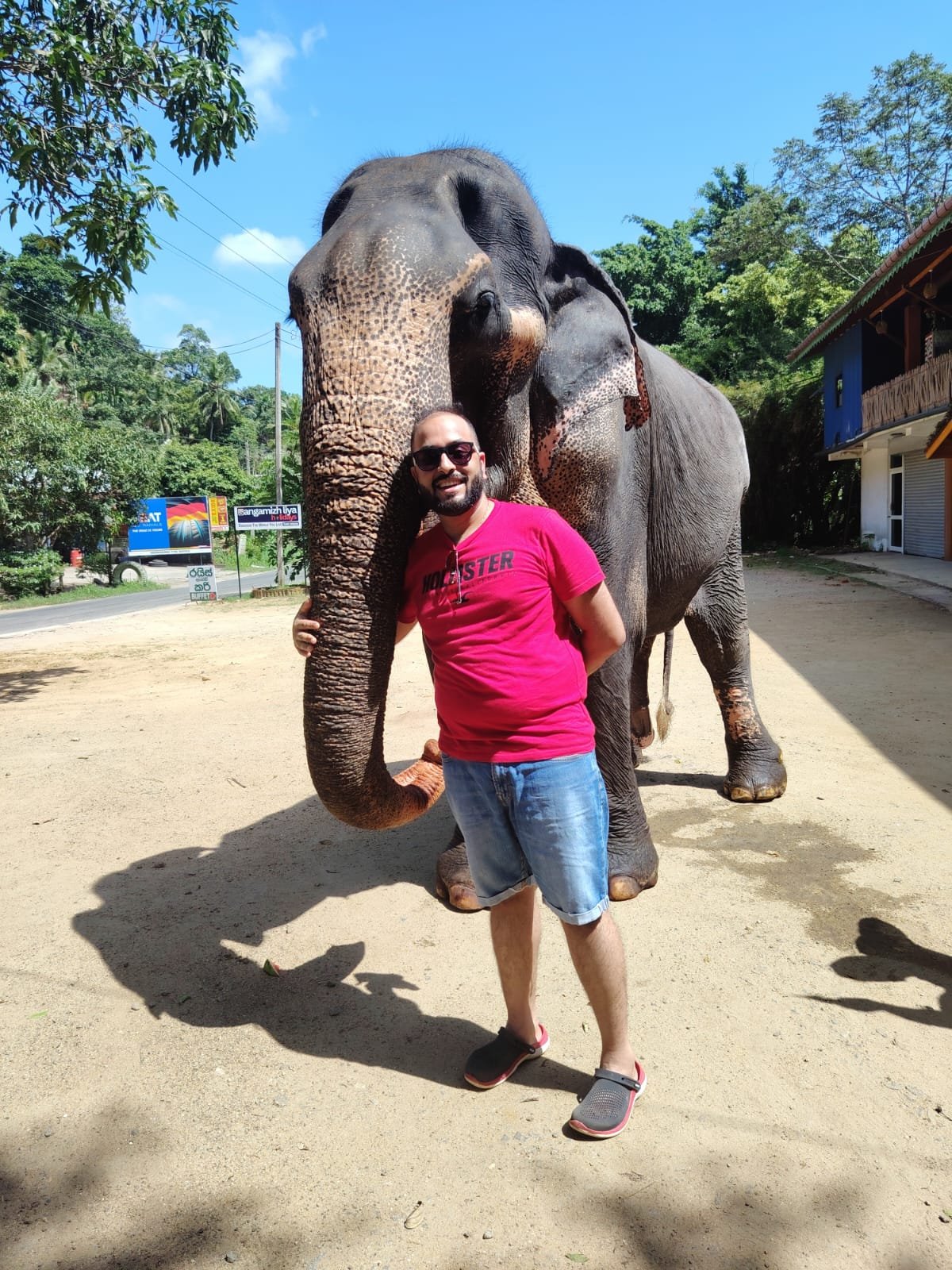
Pinnawala is included as a stop on Fineray Lanka Tours’ Colombo-to-Kandy itineraries, up to the full 14-day ancient kingdoms and highlands loop, each with a private driver-guide for the stop and everything beyond. See the Kandy travel guide for what comes next on the road, the complete Sri Lanka travel guide for the rest of the planning picture, or browse all tour packages that include Pinnawala.
