
 Fineray Lanka Tours
Pearl of the Indian Ocean
- Home
- Tour Packages ▾ 🍃5 Days — Kandy, Nuwara Eliya & Bentota 🏙️6 Days — Kandy, Nuwara Eliya, Bentota & Colombo 🏛️7 Days — Heritage, Hill Country & Beach 🪷8 Days — Sigiriya, Kandy, Ella, Bentota & Colombo ✨9 Days — Premium Sigiriya, Kandy, Ella & Bentota 🚁10 Days — Sigiriya, Ella, Haputale & Bentota 🐆11 Days — Sigiriya, Kandy, Ella, Yala & Bentota 👑14 Days — Ancient Kingdoms, Highlands, Yala & Galle 🗺️View All Tour Packages
- Destinations
- Gallery
- About
- Contact
The Ultimate Sri Lanka Travel Guide for First-Time Visitors
Last updated: September 2026.
Sri Lanka is smaller than Ireland but holds beaches, rainforest, tea country, ancient cities, and wildlife safaris inside that space. First-time visitors usually underestimate the distances and end up rushing between stops. This guide covers how many days to plan, when to go, where to go, what a trip costs, what to pack, and how to move around the island.
Quick summary
- Plan for at least 7 days, 10-14 is more comfortable if you want a safari included.
- West and south coasts, plus the hill country, are best December to March. The east coast (Trincomalee, Arugam Bay) is best May to September.
- Part of the scenic Kandy to Ella railway is still under repair after Cyclone Ditwah. Check current service before building your itinerary around it.
- Most nationalities need a paid ETA visa, applied for online before arrival, at the official eta.gov.lk site only.
- Foreign entrance fees at sites like Sigiriya and Yala run $30-35 each and add up fast across a trip.
- For safaris, Udawalawe sees far fewer jeeps than Yala’s crowded Block 1 and gives a more comfortable elephant-viewing experience.
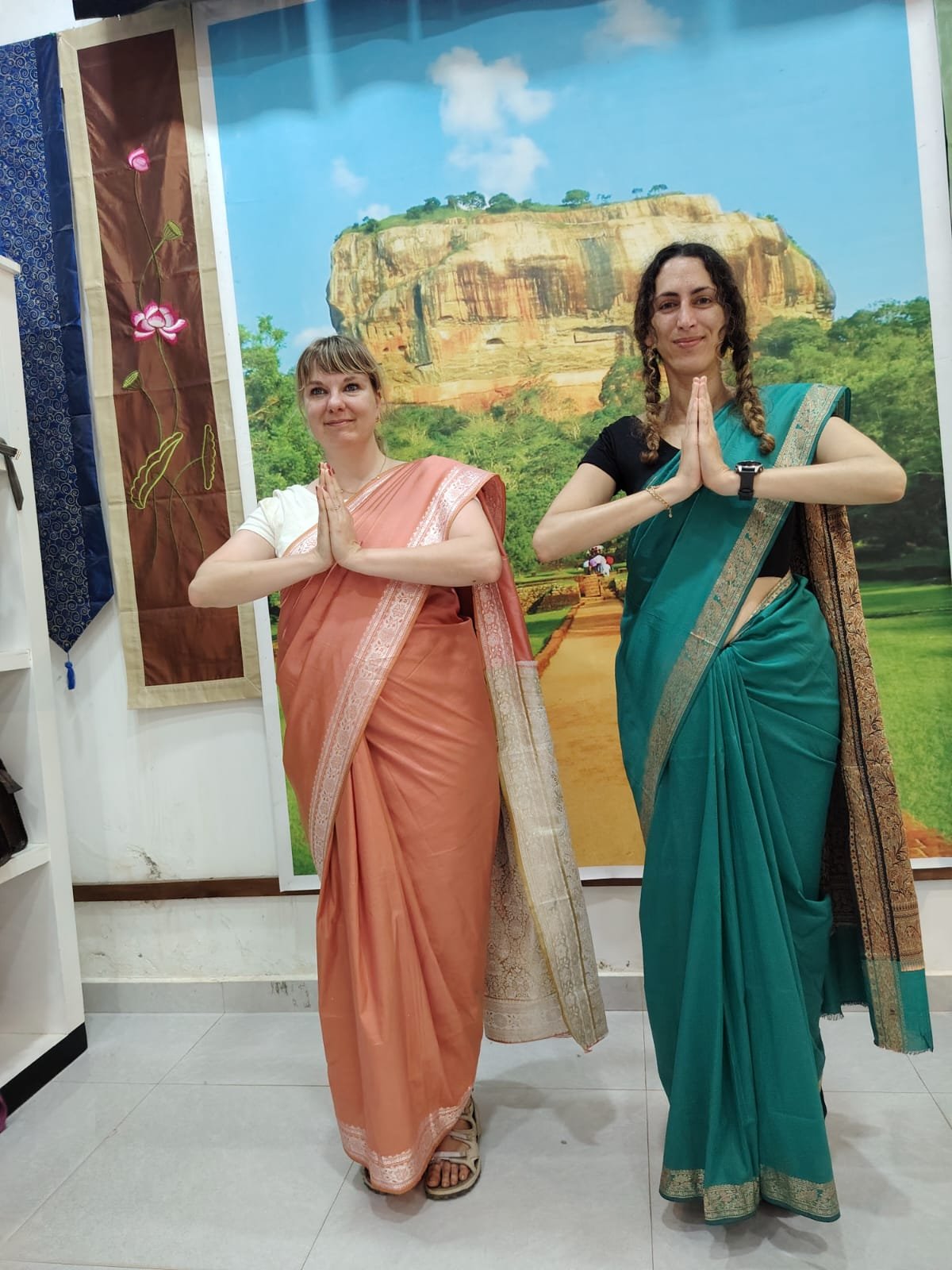
Table of contents
- Fast facts about Sri Lanka
- How many days do you need in Sri Lanka
- Best time to visit Sri Lanka
- Best places to visit in Sri Lanka
- What Sri Lanka costs
- Getting around Sri Lanka
- Visa requirements
- Health and safety
- Local customs and etiquette
- What to pack
- Sample itineraries
- Planning your trip
- Frequently asked questions
Fast facts about Sri Lanka
- Currency: Sri Lankan Rupee (LKR), roughly 300 LKR to 1 USD.
- Power: 230V, 50Hz, type D and G sockets.
- Language: Sinhala and Tamil are official. English is widely spoken in tourist areas.
- Water: tap water isn’t safe to drink. Stick to bottled or filtered water.
- Time zone: GMT+5:30, same as India.
- Malaria: officially eradicated, so antimalarials aren’t needed. Repellent still matters for dengue.
How many days do you need in Sri Lanka
Seven days is the minimum for a first trip that doesn’t feel rushed. That covers one cultural site (usually Sigiriya or Kandy), one hill-country stop, and one beach.
Ten to twelve days lets you add Yala National Park for a safari and slow the pace between stops. Two weeks covers the full loop: Colombo, the Cultural Triangle, the hill country, a safari park, and the south coast, with time to actually rest at each one.
The common mistake is trying to see everything in a week. Distances look short on a map, but Sri Lanka’s roads are narrow and winding, so a 100km drive can take 3 hours. Pick fewer places and stay longer at each one. See the full breakdown by trip length for day-by-day options from 5 to 14 days.
Best time to visit Sri Lanka
Sri Lanka has two monsoon seasons that hit different coasts at different times, so there’s no single bad month to visit. It depends on where you’re going.
- West and south coasts, hill country (Colombo, Galle, Bentota, Kandy, Ella): best from December to March.
- East coast (Trincomalee, Arugam Bay): best from May to September.
A trip that combines both coasts finds good weather somewhere on the island almost any time of year. December to March is peak season overall and the most reliable window for a first trip covering multiple regions. Read the full month-by-month breakdown for rainfall and crowd patterns.
Best places to visit in Sri Lanka
Sigiriya: a 200-meter rock fortress built in the 5th century, with palace ruins and frescoes near the summit. Most visitors climb it in 3-4 hours round trip. Read the full Sigiriya guide.
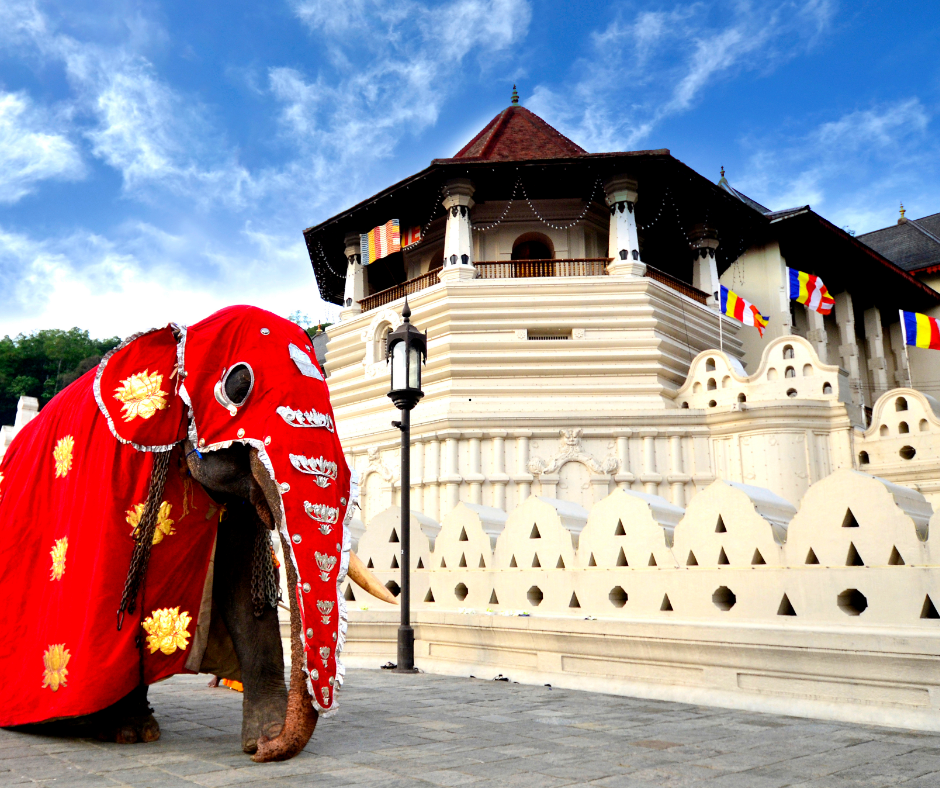
Kandy: the last royal capital, home to the Temple of the Sacred Tooth Relic. Two nights here gives time for the temple, the lake walk, and a Kandyan dance show. Kandy also anchors the start of the scenic railway toward Ella.
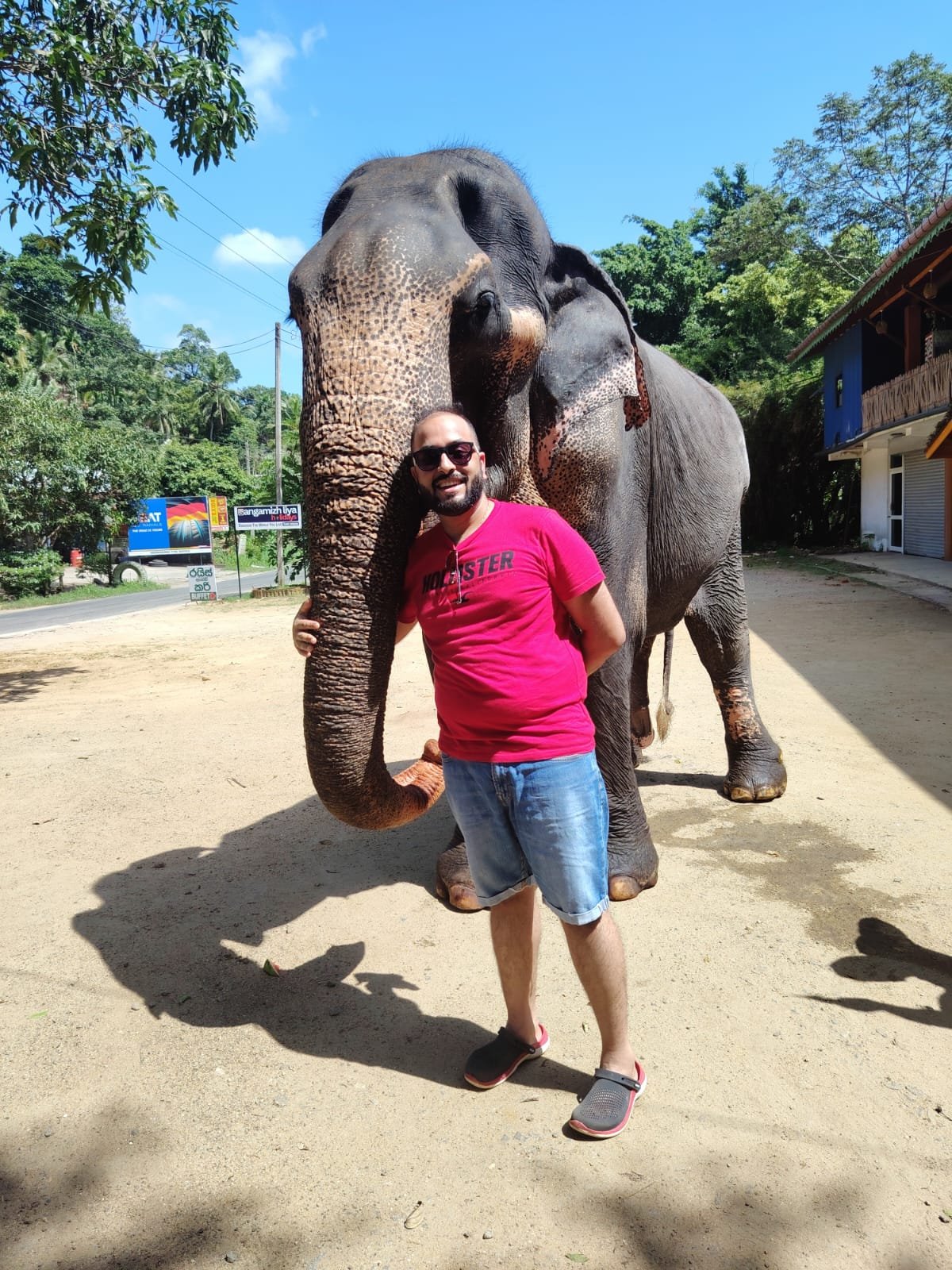
Dambulla and Pinnawala: the Dambulla cave temple complex holds five caves of Buddhist murals and statues carved into a rock face, usually paired with a stop at the Pinnawala Elephant Orphanage on the way to or from Kandy.

Ella and Nuwara Eliya: hill country tea estates, waterfalls, and the Kandy-to-Ella train, often called one of the world’s most scenic rail journeys. Nuwara Eliya sits at 1,868 meters and runs noticeably cooler than the coast, so pack a light jacket.
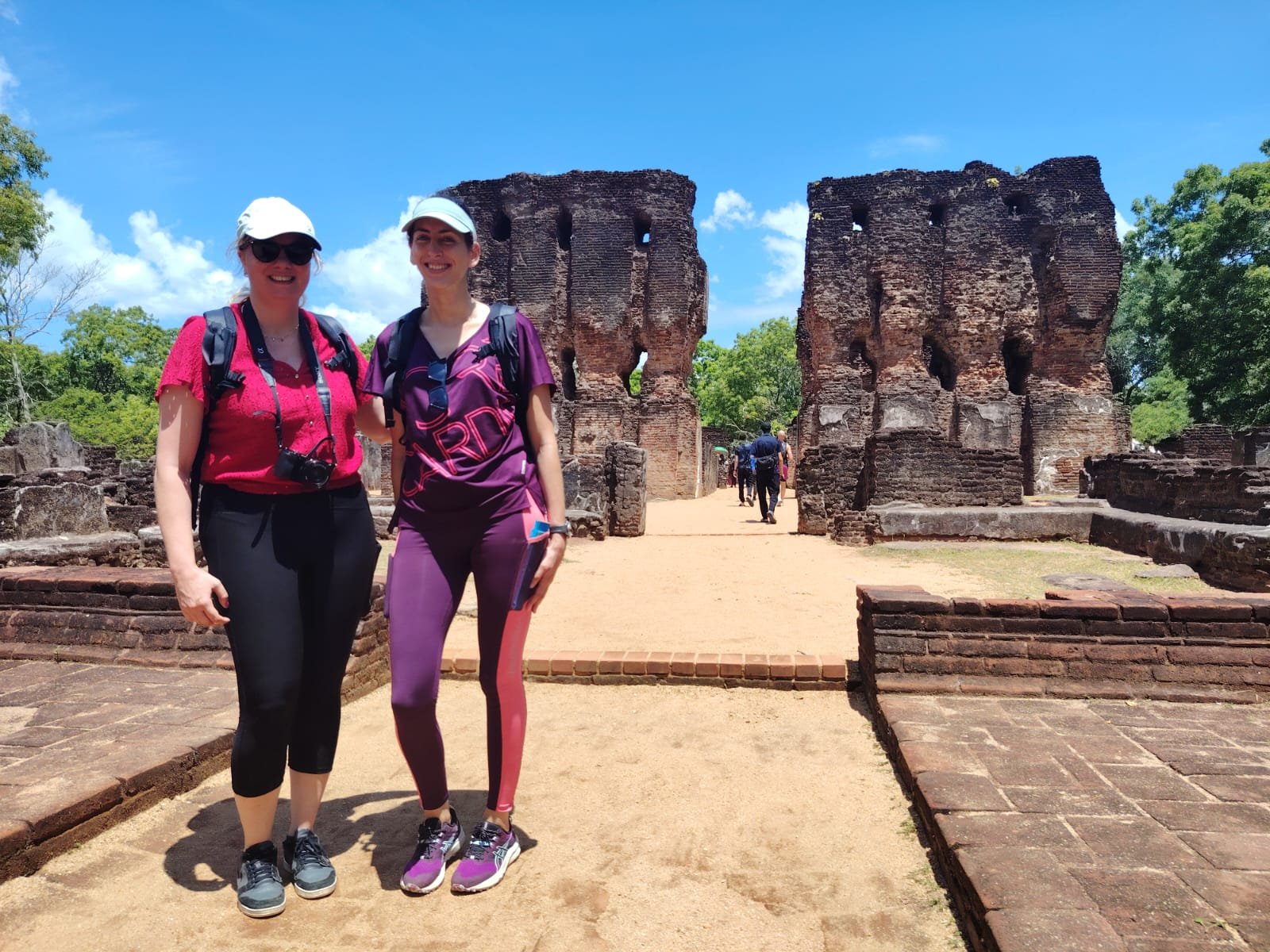
Anuradhapura and Polonnaruwa: Sri Lanka’s two ancient capitals, both UNESCO World Heritage sites with dagobas, monasteries, and stone carvings dating back over 1,000 years. Polonnaruwa is compact enough to see by bicycle in half a day. Anuradhapura is more spread out and worth a full day.
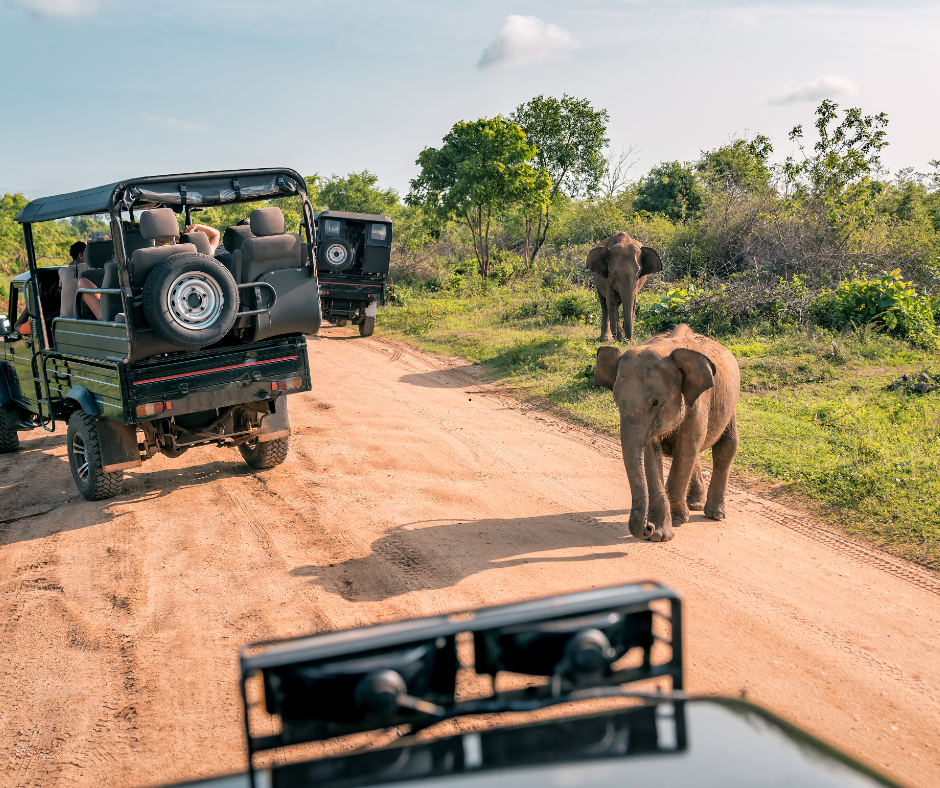
Yala National Park: the best odds of seeing a leopard in the wild, alongside elephants and crocodiles on a jeep safari. Block 1 has the highest leopard density but also the most jeeps. Udawalawe, further west, is calmer and known for reliable elephant sightings.
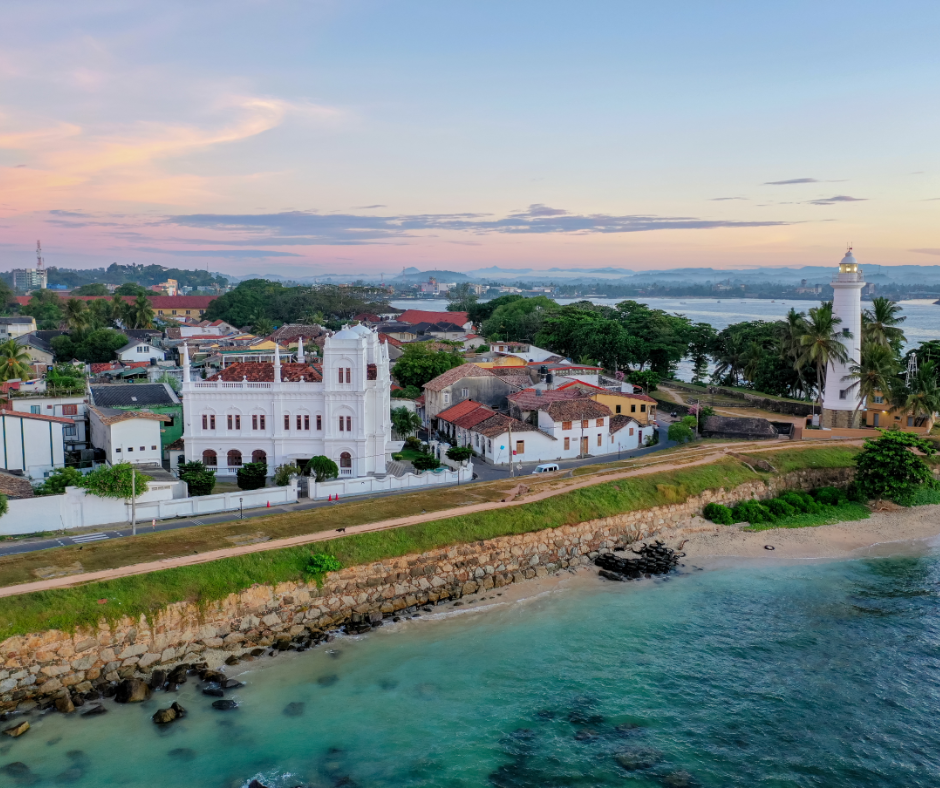
Galle: a walled Dutch colonial fort on the south coast, good for half a day of walking.
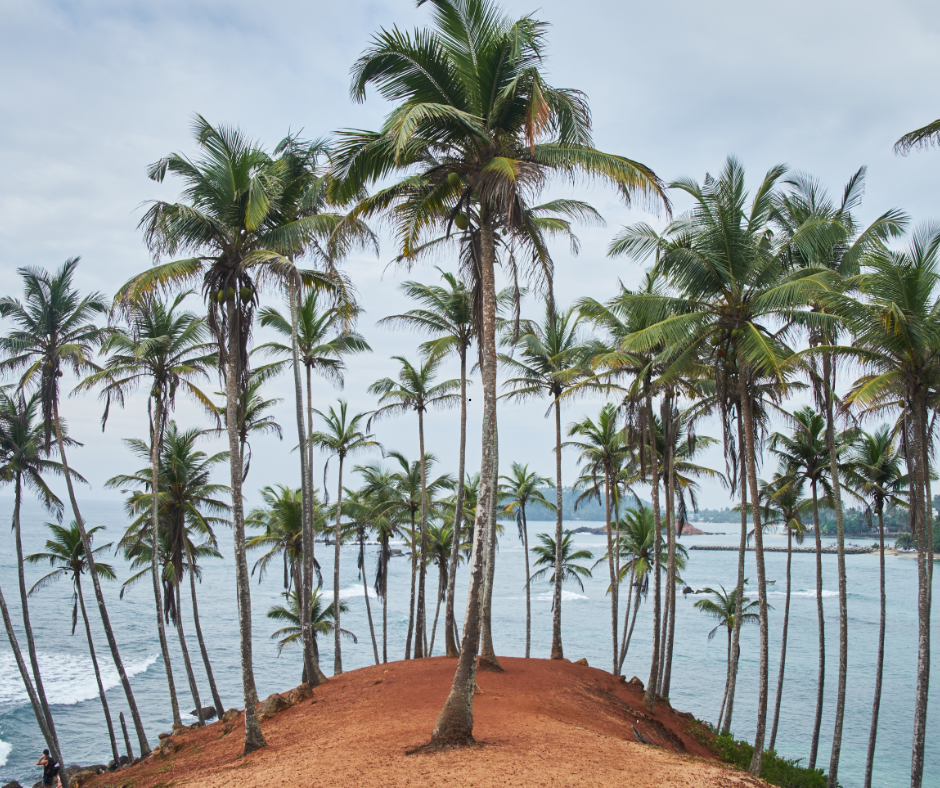
Mirissa: whale watching from November to April, plus beach time.
For travelers with a specific interest, Sri Lanka also has a well-established Ramayana pilgrimage trail linking temples across the island, from Kelaniya near Colombo to Kataragama in the south. See the 8-day Ramayana Trail tour.
What Sri Lanka costs
A private, guided 7-day trip with a driver, accommodation, and most meals typically runs in the mid-hundreds of dollars per person for budget hotels, rising into the low thousands for four- and five-star stays. Entrance fees for major sites like Sigiriya and Yala add up quickly for foreign visitors, since Sri Lanka charges a separate, higher rate than locals pay. Budget $50-80 per person for entrance fees across a 7-day trip if you’re visiting 3-4 major sites.
Food is cheap by comparison. A rice-and-curry meal at a local restaurant costs $2-4. Hotel dining runs $10-20 per meal. Tipping isn’t mandatory but is expected for drivers and guides: $5-10 per day for a driver-guide is standard. A rough daily budget breaks down like this:
- Budget: $40-60 per day, guesthouses and local food.
- Mid-range: $80-150 per day, private driver and 3-4 star hotels.
- Luxury: $250 per day and up, boutique villas and private guides.
Getting around Sri Lanka
Most visitors hire a private driver for the whole trip rather than self-drive or rely on public transport. Sri Lankan roads have few highway sections outside the Colombo-Galle corridor, and driving conventions differ enough from what most foreign visitors are used to that a private driver-guide is the standard choice, not a luxury.
The Kandy-to-Ella train is worth taking as an experience in itself rather than skipping for a faster drive, though part of the line remains under repair after Cyclone Ditwah. Local buses connect every town but run on unpredictable schedules with few posted timetables in English. Within cities, the PickMe app (Sri Lanka’s answer to Uber) covers both taxis and tuk-tuks and avoids the fare negotiation that comes with hailing one on the street.
Rough drive times between major stops:
- Colombo to Kandy: about 3 hours. See the full route breakdown for road versus train options.
- Kandy to Nuwara Eliya: about 3 hours
- Nuwara Eliya to Ella: about 3 hours
- Ella to Yala: about 3 hours
- Colombo to Galle: about 2.5 hours on the expressway
Visa requirements
Most nationalities, including Indian passport holders, need an Electronic Travel Authorization (ETA) before arrival. It’s a short online application, and approval usually comes within 24 hours. Apply through the official government portal rather than a third-party site charging a markup.
Health and safety
No vaccinations are mandatory for entry, but hepatitis A and B and typhoid are commonly recommended before travel. The CDC’s Sri Lanka travel health page has current guidance. Malaria has been eradicated on the island, though dengue is present, so repellent still matters, especially near standing water.
Violent crime against tourists is rare. The real risks are petty theft and scams around tourist areas, similar to most popular destinations. Watch your belongings in crowded areas, agree on taxi fares before you get in, and book safaris and water activities through a reputable operator. See the full safety guide for more detail.
Local customs and etiquette
Remove shoes and hats before entering temples, and cover shoulders and knees. Avoid posing for photos with your back to a Buddha statue, since it’s considered disrespectful. Handle food and greet people with your right hand; the left hand is considered unclean in traditional practice.
What to pack
Sri Lanka’s climate splits roughly into coastal heat and cooler hill country, so a packing list needs to cover both.
- Lightweight, breathable clothing for the coast and Cultural Triangle.
- A light jacket or fleece for Nuwara Eliya and Ella, where evenings drop into the mid-teens Celsius.
- Modest clothing that covers shoulders and knees for temple visits; sarongs are sold cheaply at most temple entrances if you forget.
- Strong insect repellent with DEET for dengue prevention.
- Reef-safe sunscreen, since several parks and coastal areas restrict standard sunscreen.
- A dry bag or waterproof pouch if you’re visiting during shoulder season on either coast.
See the full packing list by season for a complete rundown.
Sample itineraries
Two combinations work well for most first-time visitors who want a structured starting point rather than planning from scratch.
A 7-day itinerary covering heritage sites, hill country, and beach time hits the highlights without over-scheduling each day. Fineray’s matching 7-day tour package books the same route with a driver-guide included.
A 10-day trip adds Sigiriya, Ella, and more time in the hill country, with a slower pace between stops. The 10-day Sigiriya, Ella, Haputale and Bentota tour follows this route.
Other lengths run from a compact 5-day Kandy, Nuwara Eliya and Bentota trip up to a full 14-day loop through ancient kingdoms, the highlands, Yala, and Galle. Each can be adjusted for a Ramayana-focused pilgrimage route, a wildlife-heavy itinerary built around Yala, or a beach-first trip along the south coast.
Planning your trip
Sri Lanka rewards a slower pace more than most destinations its size. Pick 3-4 regions instead of trying to loop the whole island, hire a driver-guide rather than self-driving, and build in at least one full day with nothing scheduled.
If you’d rather have a local operator build the itinerary around your dates and interests, Fineray Lanka Tours puts together private, fully customized trips with an English-speaking driver-guide included throughout, and can confirm current train and park conditions before you travel.
Frequently asked questions
Is Sri Lanka safe for tourists?
Yes. Violent crime against visitors is rare. The real risks are petty theft and tourist-area scams, not danger. See our full safety guide.
Do I need a visa for Sri Lanka?
Most nationalities need a paid ETA, applied for online in advance at eta.gov.lk. Approval usually takes under 24 hours.
How many days do I need in Sri Lanka?
Seven days minimum for one region. Ten to fourteen days if you want a safari and a slower pace. See our full breakdown.
When is the best time to visit Sri Lanka?
December to March for the west coast, south coast, and hill country. May to September for the east coast.
Is the Kandy to Ella train currently running?
Part of the line is still under repair after Cyclone Ditwah. Check current status before building a day around it.
Should I visit Yala or Udawalawe for a safari?
Yala has the best leopard odds but Block 1 gets crowded. Udawalawe is calmer with excellent elephant sightings.
What vaccinations do I need for Sri Lanka?
None mandatory, but hepatitis A and B and typhoid are commonly recommended. Malaria is eradicated on the island.
How much does a trip to Sri Lanka cost?
Budget travelers manage $40-60 per day. Mid-range trips with a driver run $80-150 per day. Luxury trips start around $250 per day.
What should I pack for Sri Lanka?
Lightweight clothing for the coast, a light jacket for the hill country, modest clothing for temples, and strong insect repellent. See the full packing list.
